Christopher’s mother leaves the family for London
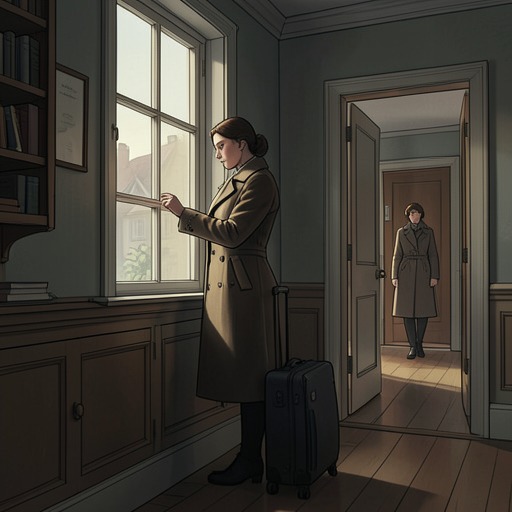
The Curious Incident of the Dog in the Night-TimeChristopher’s mother leaves the family for London in a decision she later explains through letters to her son. Her account presents the departure not as a sudden rejection of Christopher but as the outcome of loneliness, repeated family conflict, and a painful choice—followed by Father’s refusal to let her return or speak to him.
Background: loneliness and conflict at home
Christopher’s mother describes a household worn down by arguments. She recalls becoming overwhelmed by Christopher’s distress in a shop at Christmas, when he crouched on the floor, knocked mixers from a shelf, and screamed until the family could leave. At home afterward, Father initially comforted her, but the strain developed into conflict between the parents. She says she often felt unable to cope and that they eventually spoke less because conversations seemed bound to end in arguments.
She also recounts an argument over Christopher’s food. After he had gone days without eating, she threw the meal she had prepared; Christopher threw a chopping board, breaking her toes. During her month in a plaster cast, she watched Father care for Christopher and felt that the two of them were calmer together. That contrast sharpened her sense of being unnecessary and invisible in the household.
A relationship with Roger and the decision to leave
Against this background, Christopher’s mother began spending time alone with Roger, whom she says was the only person she could really talk to. Roger told her that he and Eileen were no longer in love. The two lonely adults recognized their feelings for each other, and Roger suggested that she leave Father and move in with him. She initially refused because she could not leave Christopher.
The decision changed when Roger said he had requested a transfer to London and asked her to go with him. Christopher’s mother says she thought about it for a long time and that agreeing broke her heart. She nevertheless came to believe that leaving would be better for the family: in her view, Father and Christopher were better off together, and Father would have only one person to look after instead of two.
The departure and its immediate aftermath
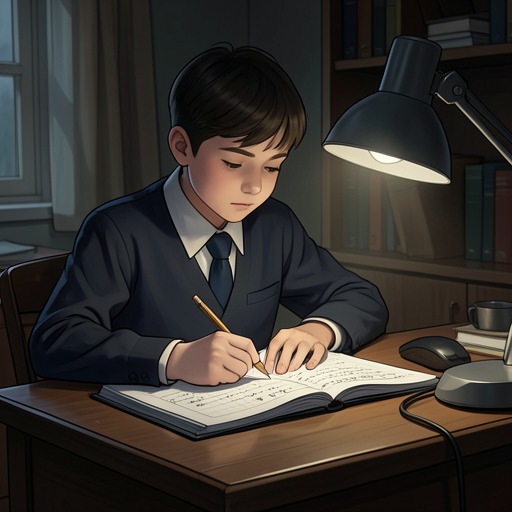
Christopher’s mother intended to return for clothes while Christopher was at school, explain what she was doing, and arrange visits between London and home. Instead, when she telephoned Father, he told her she could not come back or talk to Christopher and must never enter the house again. She says she did not know what to do and, unable to return, wrote letters to her son instead.
Her departure therefore becomes more than a move to London. The planned goodbye and continuing visits never take place as she had imagined; Father’s anger cuts off direct contact, leaving correspondence as her means of reaching Christopher. The letter distinguishes her decision to leave from the later prohibition that keeps her away.
The letter’s appeal to Christopher
Writing directly to Christopher, his mother acknowledges that he may not understand her reasons now and hopes he might reread the letter later. She insists that leaving was not his fault and says she never meant to hurt him. Her explanation is also an invitation to renew contact: she asks him to write or telephone and provides the numbers at the top of the letter.
She recalls his childhood wish to become an astronaut, describing dreams in which he appeared on television and she watched with pride. She asks whether he still studies mathematics and what he wants to become. These details place the separation beside an image of continued maternal attention: although she has left the family home and cannot see him, she still imagines his future and asks him to answer.